
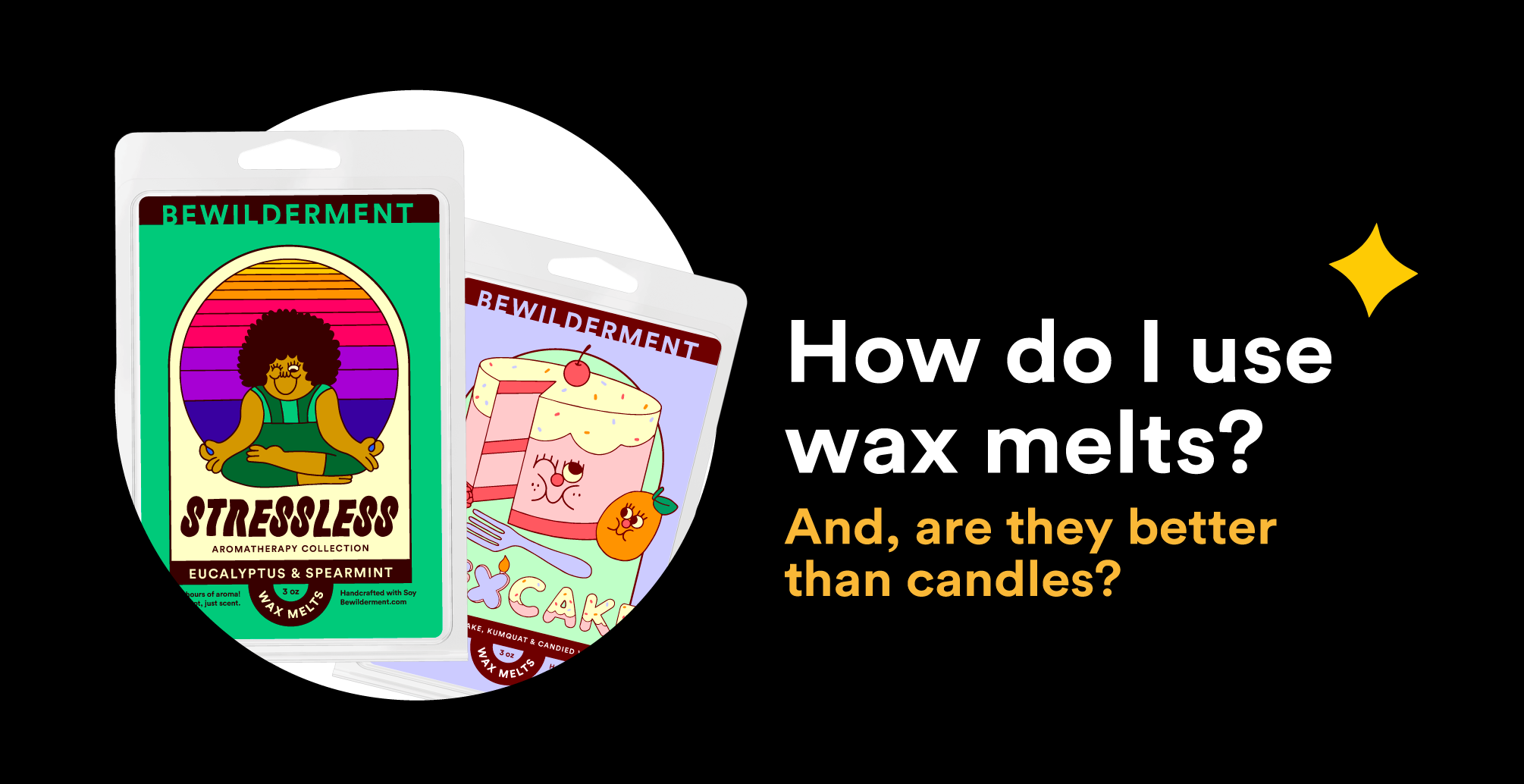
Wax melts are scented pieces of wax that release fragrance when warmed in a purpose-made wax warmer. No wick to light: an electric warmer uses a bulb or heating element to warm the wax in its dish.
Pick a fragrance, follow your warmer’s instructions, and let things get delightfully smelly. Here’s the beginner’s guide, minus the mystery.

What happens when the wax melts?
The wax softens and melts as it warms, releasing fragrance into the room. When you switch off, it cools and hardens again. You can rewarm the same portion until the scent fades. Yankee Candle’s introductory guide covers the basic process.
Unlike a lit candle, there’s no wick consuming the wax as fuel. You’ll usually have wax left after the fragrance is finished. It has not failed its one job; it’s simply ready to be replaced.
How to use wax melts, step by step
- Choose the right equipment. Use a warmer designed for wax melts. A candle lamp, mug warmer, or oil diffuser is not automatically suitable for loose wax.
- Set it up safely. Follow its instructions and use a stable, heat-resistant surface, away from water, flammable materials, and places children or pets can reach.
- Add the recommended portion. Remove ordinary melt packaging and put the wax in a clean, dry dish. Don’t overfill it. Proprietary melt cups require their matching system; regular packaging is not a warmer dish.
- Switch on and give it time. Warming speed varies by model and portion. Follow any session limits in the manual.
- Switch off when you’re done. Let the wax and dish cool before handling. Save the wax for another session if it still has fragrance.
Don’t add water or extra fragrance oil to your melts. More ingredients do not automatically mean more fabulous.

Electric warmers versus tea-light warmers
Electric warmers are flameless. Tea-light warmers are not. A tea-light model uses a small candle beneath the dish, so open-flame precautions still apply. Only use the candle size and setup its manufacturer specifies, and never leave a burning tea light unattended.
Whichever you choose, the dish and melted wax can be hot. “No wick in the wax” does not mean “nothing here can burn you.”
Can I leave a wax warmer on overnight?
Our recommendation is to switch it off before sleeping or leaving home. Follow your specific model’s instructions, including its maximum operating time.
A timer is useful, but it doesn’t replace careful placement or supervision. A UL or ETL mark is not permission to ignore the manual or leave every warmer running indefinitely.
For bulb warmers, use only the specified bulb type and wattage. Don’t install a stronger bulb or cover ventilation openings to make it hotter. See this manufacturer’s explanation of correct replacement bulbs.

How do I change the wax?
When the fragrance fades—or you’re ready for a different mood—switch off and follow your warmer’s wax-removal instructions. Let everything cool before handling. Don’t pry at a dish with sharp tools or improvise heating and freezing tricks.
Dispose of cooled wax in the trash. Never pour wax down the sink or toilet, and don’t immerse an electrical warmer in water. Clean only as directed, and make sure the dish is dry before using it again.
How long will one portion last?
That depends on the fragrance, portion, warmer, room, and warming hours. Reuse it while the scent is enjoyable; replace it when it no longer gives a noticeable fragrance.
For more help, read How Long Do Wax Melts Last? We explain why calendar days and actual warming hours aren’t the same thing.
Are wax melts cheaper than candles?
They can be, especially if you already own a warmer, but there’s no automatic savings guarantee. Compare product prices, the amount you use, and the fragrance time you enjoy. Include the warmer and electricity when considering the cost.
The fun part is flexibility: a little bakery today, a little enchanted forest tomorrow. Your living room is allowed to have range.

Ready to find your first fragrance? Shop Bewilderment wax melts.