
No wax melt can be promised safe for every pet in every situation. The ingredients, exposure, species, and your animal’s health all matter. “Natural,” “soy,” and “flameless” don’t answer the whole question.
We love a wonderfully scented room. We love the creatures who think they own that room even more. Here’s how to put their needs first.
What are the main concerns?
Think beyond the scent: a pet can knock over a warmer, touch hot wax, chew a cord, or swallow a melt. An electric warmer removes the open flame of a tea light, but the dish and wax can still burn.
Store unused and spent wax where pets cannot reach it. A high shelf isn’t automatically cat-proof, and a decorative cover doesn’t make a warmer spill-proof. Use only accessories approved for your model.
Does “natural” mean pet-safe?
No. The ASPCA explains that concentrated essential oils can harm pets and that risk depends on the concentration and formulation. Its advice about oil diffusers is not a blanket safety finding for wax melts. Read the ASPCA’s essential-oil guidance.
A scent name is not an ingredient list. “Lavender” on a label does not establish that a finished product is safe for your cat, dog, or bird. Don’t add essential oils to wax or apply home-fragrance products to an animal.
What about birds?
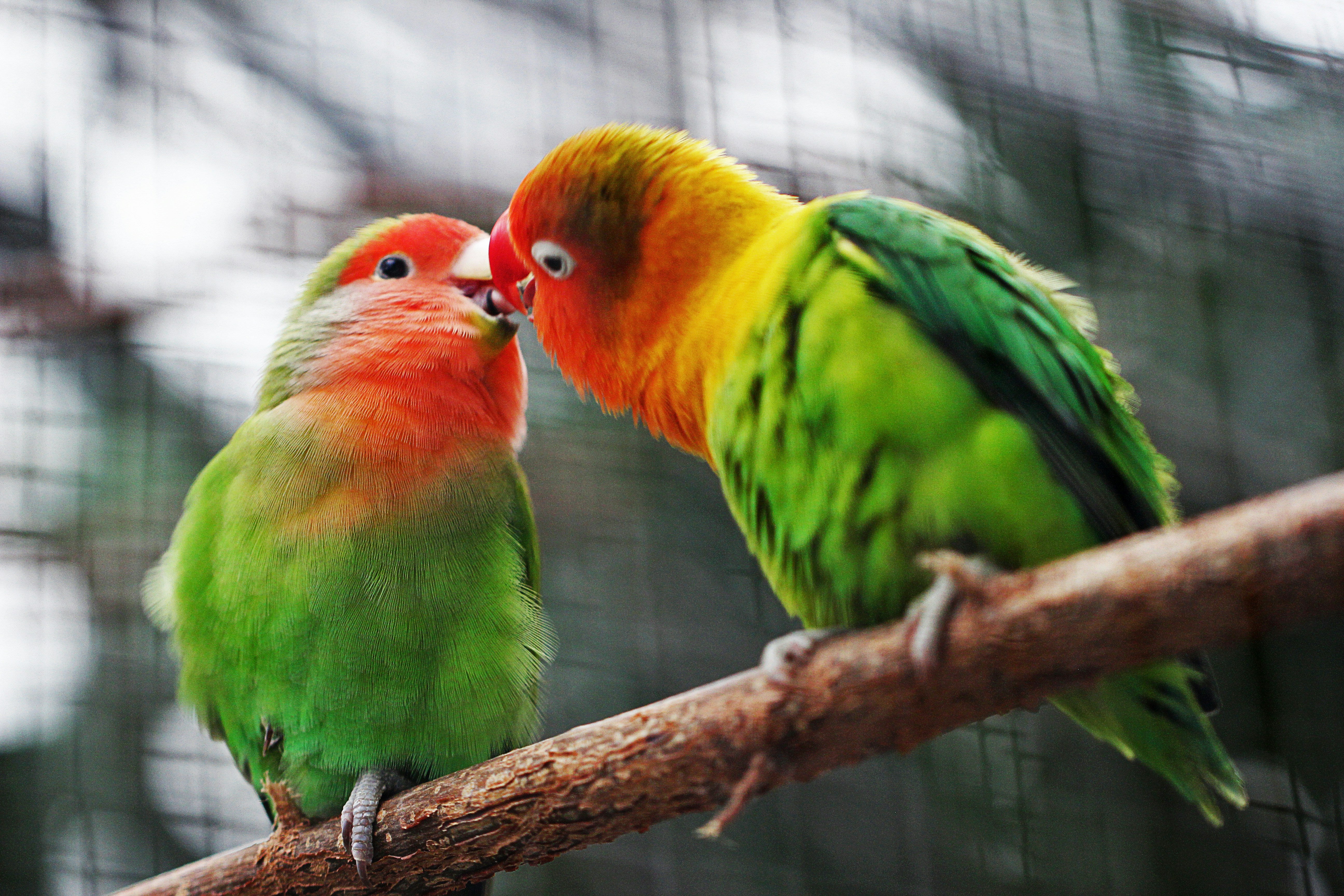
Our recommendation is to keep birds’ living areas free of added fragrance and ask an avian veterinarian before using home fragrance in a home with birds. We do not offer a list of “bird-safe” scents.
VCA identifies air fresheners and other airborne household substances as potential respiratory hazards for birds. Good airflow is not a guarantee that a fragrance is suitable. VCA’s guide to household hazards for birds.
If you share your home with a dog or cat
- Ask your veterinarian first if your pet has breathing problems or another relevant condition.
- Keep the warmer, cords, and wax inaccessible, and supervise use.
- Give your pet access to an unfragranced area; don’t confine them beside a warmer.
- Stop using the product if your pet seems uncomfortable. Seek veterinary advice for symptoms rather than trying another scent.
Our founder’s experience raising pets is part of our story, but it is not a veterinary safety test. We don’t recommend relying on a bitter taste to prevent ingestion. Wax melts are not pet treats, however convincingly they impersonate dessert.
What if my pet eats wax or has a reaction?
Prevent further exposure and contact your veterinarian or an emergency clinic promptly. Keep the packaging and note the product, approximate amount, and time. Trouble breathing, collapse, or seizures need immediate emergency veterinary attention.
Do not induce vomiting or give home remedies unless a veterinary professional directs you. In the U.S., Pet Poison Helpline is available at 855-764-7661; a consultation fee may apply.
For the equipment basics, see How Do Wax Melts Work? Your pet’s comfort comes before the room’s fragrance. Every time.